
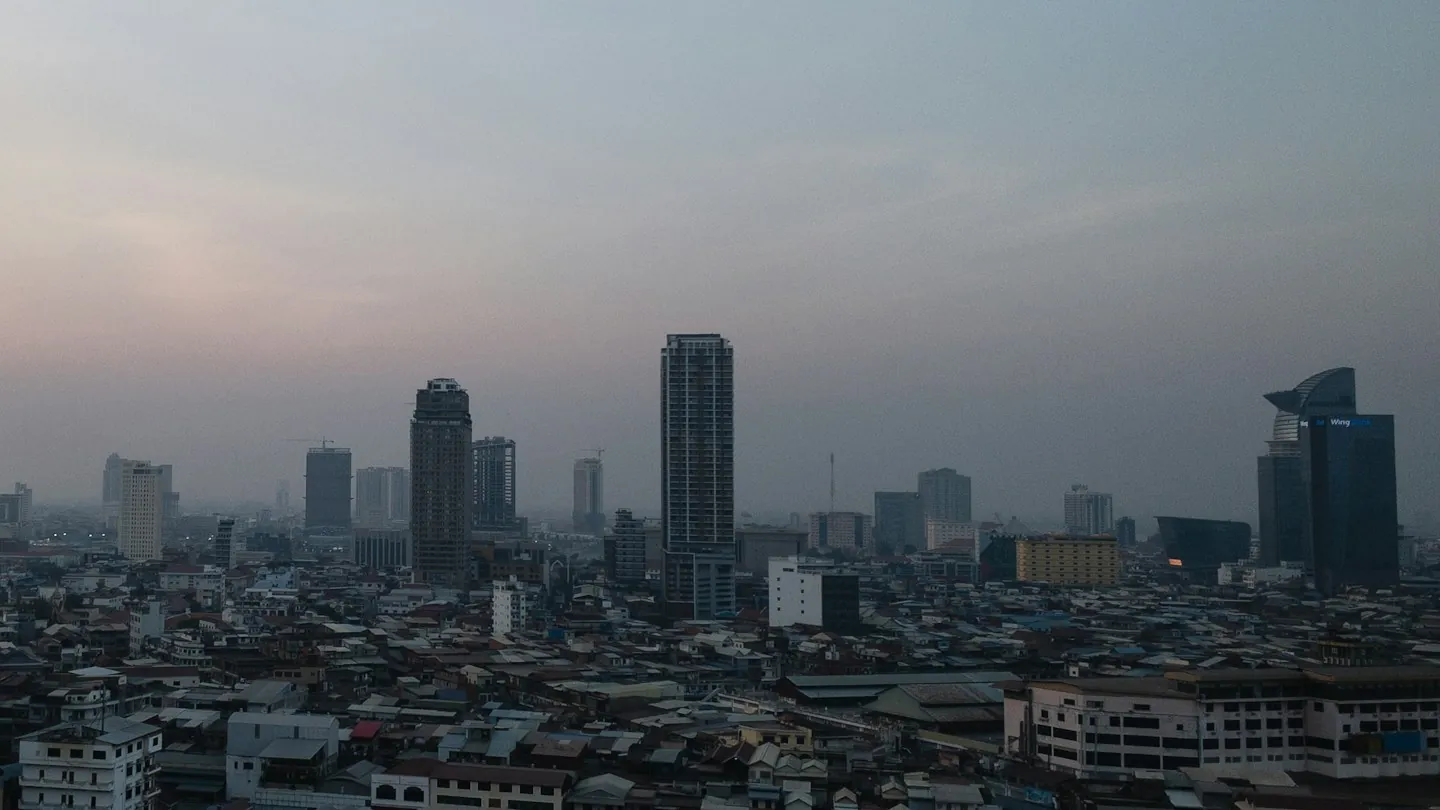
If you sell machinery, logistics, software or financial services, Cambodia probably looks harder in 2026 than it did a year ago. Forecasts for headline growth have slipped to about 3–3.5%, tourism is down and household spending is under pressure.
Look one level below the headlines, though, and the picture changes. Factories keep opening, exports keep rising, and investors had USD 6.16 billion in new projects approved in the first ten months of the year. Every one of those projects is a company with new suppliers to choose.
This guide explains where Cambodia's business buyers are in 2026, which sectors to focus on, and how to use a Cambodia B2B database to reach the people who actually sign off on purchases.
- IMF and World Bank forecasts put 2026 growth at about 3–3.5%, yet 419 investment projects worth USD 6.16 billion were approved from January to October.
- Electronics exports rose 34% in the first seven months, and milled rice exports passed 1 million tonnes by October, a new record.
- The best targets are factory, export, logistics and finance decision-makers in Phnom Penh and the special economic zones.
- A database of named decision-makers saves weeks of manual research and gets your message to the person who buys.
What is a Cambodia B2B database?
A Cambodia B2B database is a structured list of Cambodian companies and their decision-makers, with name, business email, job title, company and industry. Sales and marketing teams use it to find prospects, run email campaigns and plan market entry.
Unlike a basic business directory, which usually lists company names, addresses and office phone numbers, a B2B database focuses on people: the owners, directors and managers who make buying decisions. That difference matters most in markets like Cambodia, where the right introduction often counts for more than a general enquiry.
How is Cambodia's business market doing in 2026?
Cambodia's economy is slowing in 2026. Forecasts from the IMF and World Bank sit at about 3–3.5%, down from 5.3% in 2025. But the business activity that matters for B2B sellers keeps growing. The Council for the Development of Cambodia (CDC) approved 419 investment projects worth USD 6.16 billion from January to October 2026, expected to create about 236,000 jobs. Each approval is a new factory, warehouse or project team that needs equipment, suppliers, software and services.
Which Cambodian industries and job roles should you target?
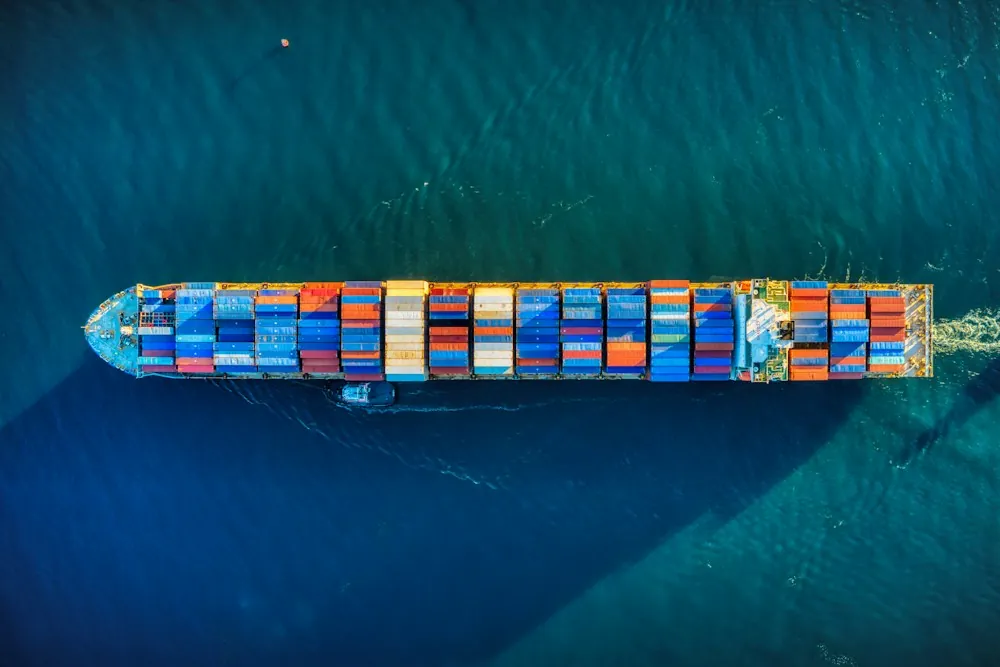
Cambodia's buyers are moving up the value chain. Garments still dominate, but electronics, auto parts and milled rice are now growing faster, and each new factory adds a procurement team that did not exist a year ago. Start with these groups:
| Industry | Why it matters now | Who to contact |
|---|---|---|
| Garments, footwear & travel goods | Still the largest export base | Factory GMs, procurement and compliance heads |
| Electronics & auto parts | Electronics exports up 34% in the first seven months of 2026 | Plant managers, operations directors |
| Rice & agro-processing | Record milled rice exports, above 1 million tonnes by October 2026 | Owners, export managers |
| Construction & infrastructure | New investment projects need contractors | Project directors, purchasing heads |
| Logistics & ports | Higher trade volumes mean more freight | Country managers, BD heads |
| Banking, microfinance & insurance | A mature financial sector serving SMEs | CIOs, heads of partnerships |
Where are businesses based in Cambodia?
Phnom Penh is where most head offices, banks, distributors and service firms sit, so it is the first place to start. Factory decision-makers are spread across the special economic zones around the capital and in provinces such as Kampong Speu, which led all provinces for approved projects in 2025. Preah Sihanouk (Sihanoukville) is the main deep-sea port and a major SEZ location, which makes it important for logistics and export services. Siem Reap is the tourism hub, so hotel and hospitality suppliers will find most of their buyers there. English is widely used in business, especially at foreign-invested companies, but adding a short Khmer greeting can help with local owners.
Who buys Cambodian business contact data?
The companies that get the most value from Cambodian contact data are the ones selling into its factory and export base. Machinery and parts suppliers use it to reach plant managers at newly approved factories before vendors are chosen. Freight forwarders, port agents and customs brokers use it to find exporters as goods trade keeps growing. Banks, leasing companies and fintech providers target manufacturers and SMEs that need equipment finance and better payment tools.
There is also strong demand from companies that serve agriculture. With milled rice exports at record levels, packaging, storage and agri-input suppliers are looking for rice millers and agro-processors. Recruitment and training firms target factories that need skilled supervisors and technicians. If you have been searching for a list of companies in Cambodia or a Cambodia business directory with named decision-makers, these are the groups that use one most.
How to check a Cambodia contact list before you buy
Before you buy any Cambodia contact list, ask for a free sample and check it against a few Phnom Penh companies you already know. If the names, job titles and emails look right, that is a good sign.
Two checks matter more in Cambodia than in many markets. First, many firms use both a Khmer and an English name, so make sure the same company is not listed twice. Second, factories often run their operations in a special economic zone while decision-makers sit at a head office in Phnom Penh, and a useful list covers both. Beyond that, prefer company-domain emails over free webmail addresses, and make sure every record has an industry so you can segment it.
How to win replies from Cambodian decision-makers
Once you have a good list, the way you use it decides your results. These steps work well in Cambodia:
- Split by sector and location. Factory buyers in SEZs and service buyers in Phnom Penh need different messages.
- Lead with the export story. Mention rising electronics exports or record rice shipments to show you understand their market.
- Warm up your domain. Start with small daily volumes and use a separate domain for cold outreach.
- Follow up by phone or Telegram. Many Cambodian business owners reply faster on messaging apps than on email.
- Retarget with ads. Upload the list as a Meta or LinkedIn audience, as Facebook is widely used by Cambodian businesses.
- Stay compliant. Send relevant B2B offers only and include a clear opt-out.
Sample cold email for a Cambodian manufacturer
Factory managers in Cambodia are busy and get many supplier pitches. This short email names a real 2026 trend and asks one easy question:
Hi {First name},
I noticed {Company} is expanding its operations in Cambodia. With 419 new investment projects approved this year, many manufacturers are reviewing suppliers for [your product or service]. We help companies like yours [one clear benefit, e.g. cut downtime or lower costs]. Would a 15-minute call next week be useful?
Best regards,
[Your name]
Send it on a weekday morning Phnom Penh time (UTC+7), and keep follow-ups short. If you sell to Chinese-owned factories, which make up a large share of new investment, a Chinese-language version can also help.
Where can you get Cambodia business contact data?
You can build a list yourself from company websites, chamber directories and CDC announcements, but it takes weeks and works best with local staff. A faster option is a ready-made file. Dexora Intelligence's Cambodia B2B email list has 5,000 senior contacts, from CXOs and directors to managers, delivered as Excel or CSV for USD 300. If you only need one sector or province, you can request a custom list instead.
Final thoughts
Cambodia's 2026 story has two sides. The headline numbers are softer, but the export and investment engine is still running, and it keeps creating new companies with new buying needs. The teams that do well here will target the right sectors, reach real decision-makers and start building relationships now, ahead of the expected recovery in 2027.
Want to reach Cambodia decision-makers?
See what's included in our Cambodia B2B email list, or check the quality first with a free sample.
View the Cambodia email list → Get a free sample →Frequently asked questions
What is a Cambodia B2B database?
A Cambodia B2B database is a structured list of Cambodian companies and their decision-makers, with name, business email, job title, company and industry. Sales and marketing teams use it to find prospects, run email campaigns and plan market entry.
How many contacts are in Dexora's Cambodia B2B database?
The Cambodia file has 5,000 decision-maker contacts, including CXOs, VPs, presidents, heads, directors and managers. It costs USD 300 one-time, which is about USD 0.06 per contact.
What details does each Cambodian contact include?
Each record has the contact's name, business email, job title, company and industry, and more. The full field list is on the Cambodia B2B email list page.
Can I test the Cambodia data before paying?
Yes. Request a free data preview on our website, check the records against companies you know in Phnom Penh, and then decide.
Can I get only factories or only one Cambodian province?
Yes. A custom Cambodia list can focus on one sector, location or job title, such as electronics manufacturers or rice exporters. Use our data quote page to request it.
Is a Cambodia B2B database the same as a Cambodia business directory?
Not quite. A business directory usually lists company names, addresses and office phone numbers. A B2B database adds named decision-makers, job titles and business emails, so you reach the person who buys.
Is cold email to Cambodian businesses allowed?
Use business contacts for relevant B2B offers only, include a clear opt-out, and follow the email and data protection rules that apply to you and to the people you contact.
Where are most Cambodian companies based?
Most head offices are in Phnom Penh. Many factories sit in special economic zones and provinces such as Kampong Speu, and Preah Sihanouk (Sihanoukville) is a major port and SEZ location.