

Myanmar is one of the hardest markets in Asia right now. Conflict, power shortages, currency controls and a fuel shock have pushed inflation to 24.6% and cut the World Bank's growth forecast to about 2%.
Yet business has not stopped. Traders and exporters are still moving rice, pulses and sesame to buyers abroad, and importers are still bringing in food, medicine and building materials. The opportunity is smaller and more concentrated than it used to be, which makes accurate targeting more important than ever.
This guide covers which Myanmar sectors are still buying in 2026, how to approach them carefully, and how a Myanmar B2B database helps you find the right people.
- The World Bank expects about 2% growth in FY2026/27, and inflation reached 24.6% in April 2026.
- Rice exports reached over 2.7 million tonnes (USD 861 million) in FY2025-26, with a 3 million tonne target for FY2026-27.
- The best targets are agri-exporters, importers of essentials, logistics and energy firms, mostly in Yangon and Mandalay.
- Screen every company against the sanctions lists that apply to you before any outreach.
What is a Myanmar B2B database?
A Myanmar B2B database is a list of Myanmar companies and their decision-makers, with name, business email, job title, company and industry. It helps sales teams find buyers in the sectors that are still trading, mainly agriculture, trading, garments and energy.
Unlike a basic business directory, which usually lists company names, addresses and office phone numbers, a B2B database focuses on people: the owners, directors and managers who make buying decisions. That difference matters most in markets like Myanmar, where the right introduction often counts for more than a general enquiry.
How is Myanmar's business market doing in 2026?
Myanmar is a hard market in 2026. The World Bank cut its growth forecast for FY2026/27 to about 2%, and inflation reached 24.6% in April 2026. Agriculture is the steadier part of the economy. According to the Myanmar Rice Federation, rice exports reached over 2.7 million tonnes (USD 861 million) in FY2025-26, and the target for FY2026-27 is 3 million tonnes, helped by strong demand from the Philippines.
That means B2B demand is concentrated: exporters, traders, processors and the logistics, packaging and finance firms around them.

Which Myanmar sectors are still buying in 2026?
In Myanmar, demand is narrow but real. Trade in food, agri-commodities and essential goods continues, while discretionary spending is weak. Focus your outreach on the businesses that are still moving goods:
| Industry | Why it matters now | Who to contact |
|---|---|---|
| Rice, beans, pulses & sesame | The most active export sector | Owners, export and trading managers |
| Importers & distributors | Food, pharma, cosmetics and construction materials | MDs, import managers |
| Garments (CMP factories) | Export factories in the Yangon industrial zones | Factory and merchandising managers |
| Energy & power backup | Fuel and power shortages drive demand | Owners, facilities heads |
| Logistics & freight | Trade routes keep changing | Operations directors |
| Trading, telecom & services | Concentrated in Yangon, Mandalay and Naypyidaw | CXOs, IT heads |
Where are businesses based in Myanmar?
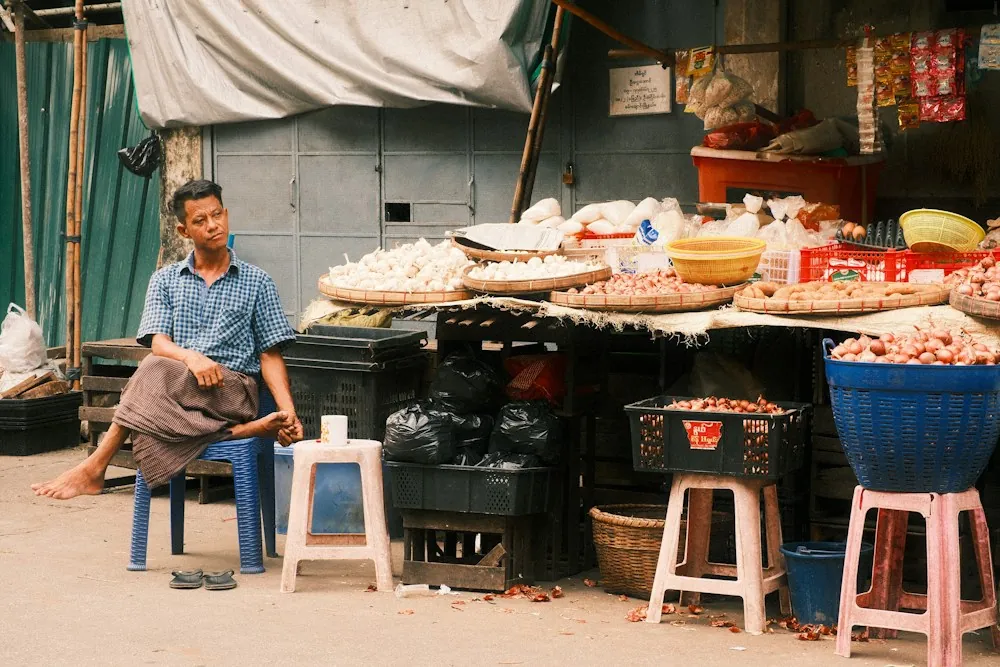
Yangon is the commercial capital and home to most trading houses, banks, importers, garment factories and telecom firms, so most B2B outreach starts there. Mandalay is the main hub for upper Myanmar and for trade heading towards China. Naypyidaw is the administrative capital, where government-linked organisations are based. Border towns such as Myawaddy (opposite Mae Sot in Thailand) and Muse (on the China border) handle much of the overland trade, although activity there depends on security conditions. English is common among senior managers at larger companies, while smaller family firms may prefer Burmese, so keep messages short and clear.
Who uses Myanmar business contact data?
The main users of Myanmar contact data are trading partners in nearby markets. Rice and pulses buyers in the Philippines, China, India and Europe use it to find new export suppliers, especially as Philippine demand for Myanmar rice has grown sharply. Thai and Chinese exporters of consumer goods and construction materials use it to find distributors and importers.
Suppliers to the agri-trade are another large group, including packaging, storage and milling companies. Solar and generator firms target businesses struggling with power cuts, and freight forwarders help traders deal with shifting sea routes and border crossings. People often search for a list of companies in Myanmar or a Myanmar business directory, but what these groups really need is a decision-maker contact list.
How to check a Myanmar contact list before you buy
In Myanmar, the most important question about any contact list is simple: are these companies still operating? Ask for a free sample and spot-check a few names before you buy.
Seniority matters too. Owners and directors make most purchasing decisions in Myanmar firms, so a list full of junior staff will waste your time. Test email deliverability on a small batch first, because some smaller firms change addresses often. And remember that a list gives you contacts, not clearance. Screening each company against the sanctions lists that apply to you is always your responsibility.
How to approach Myanmar buyers in 2026
Once you have a good list, the way you use it decides your results. These steps work well in Myanmar:
- Screen first. Check every company against the US, UK or EU sanctions lists that apply to you before sending anything.
- Focus on trade-led sectors. Rice, pulses, sesame and essential imports are where budgets still exist.
- Keep emails short and plain. Many recipients read English as a second language, so use simple words.
- Follow up on Viber. Viber is widely used for business in Myanmar and often gets faster replies.
- Plan for slow cycles. Power cuts and connectivity issues mean decisions can take weeks, not days.
- Offer flexible terms. Currency pressure and high inflation make payment terms a key selling point.
Sample cold email for a Myanmar exporter
Myanmar's exporters care about one thing in 2026: moving goods reliably at a stable cost. This email speaks to that directly:
Hi {First name},
Myanmar's rice and pulse exports have stayed strong this year, and many exporters are looking for reliable [your product or service]. We help trading companies [one clear benefit, e.g. reduce shipping delays or protect margins]. Would you be open to a short call to see if this fits {Company}?
Best regards,
[Your name]
Send it during Yangon business hours (UTC+6:30), avoid heavy attachments that may not load on slow connections, and complete your sanctions screening before you hit send.
Where can you get Myanmar business contact data?
Building a reliable Myanmar list yourself is slow, especially without Burmese-speaking staff on the ground. Dexora Intelligence's Myanmar B2B email list gives you 2,000 senior contacts, delivered as Excel or CSV for USD 200, so you can test the market quickly. For a narrower group, such as rice exporters in Yangon, you can request a custom list.
Final thoughts
Myanmar in 2026 is not a market for broad campaigns. It rewards focus: the right sector, the right decision-maker and careful compliance checks. For companies linked to the agri-trade, essential imports, energy or logistics, there is still real business to be done, provided you go in with accurate data and realistic expectations.
Want to reach Myanmar decision-makers?
See what's included in our Myanmar B2B email list, or check the quality first with a free sample.
Please check the sanctions rules that apply to you before you contact or do business with any Myanmar company.
View the Myanmar email list → Get a free sample →Frequently asked questions
What is a Myanmar B2B database?
A Myanmar B2B database is a list of Myanmar companies and their decision-makers, with name, business email, job title, company and industry. It helps sales teams find buyers in the sectors that are still trading, mainly agriculture, trading, garments and energy.
How many contacts are in Dexora's Myanmar B2B database?
The Myanmar file has 2,000 senior contacts, including CXOs, VPs, presidents, heads, directors and managers. It costs USD 200 one-time, which is about USD 0.10 per contact.
What information is included for Myanmar companies?
Each record includes the contact's name, business email, job title, company and industry, and more. See the Myanmar B2B email list page for the full field list.
Can I preview the Myanmar list first?
Yes. Request a free data preview from our website and check that the sample companies match the sectors you want to reach.
Can I get a Myanmar list for agri-exporters only?
Yes. A custom Myanmar list can focus on one sector or city, such as rice and pulses exporters in Yangon. Request it through our data quote page.
Is a Myanmar B2B database the same as a Myanmar business directory?
No. A directory usually gives company names and office numbers. A B2B database adds named decision-makers, titles and business emails, which matters in Myanmar because owners make most decisions.
Do sanctions affect Myanmar outreach?
Some organisations in Myanmar are subject to US, UK or EU sanctions. Screen every company and contact against the lists that apply to you before outreach or any transaction, and take legal advice if unsure.